
The three-legged stool strategy
Trade talks with the US broke down this weekend, ushering tariffs on a range of goods valued at over 20 billion Canadian dollars and include 500 items from hockey sticks to Crown Royal whiskey. In short, a sobering moment on both sides of the border.
Trade talks with the US broke down this weekend, ushering tariffs on a range of goods valued at over 20 billion Canadian dollars and include 500 items from hockey sticks to Crown Royal whiskey. In short, a sobering moment on both sides of the border.
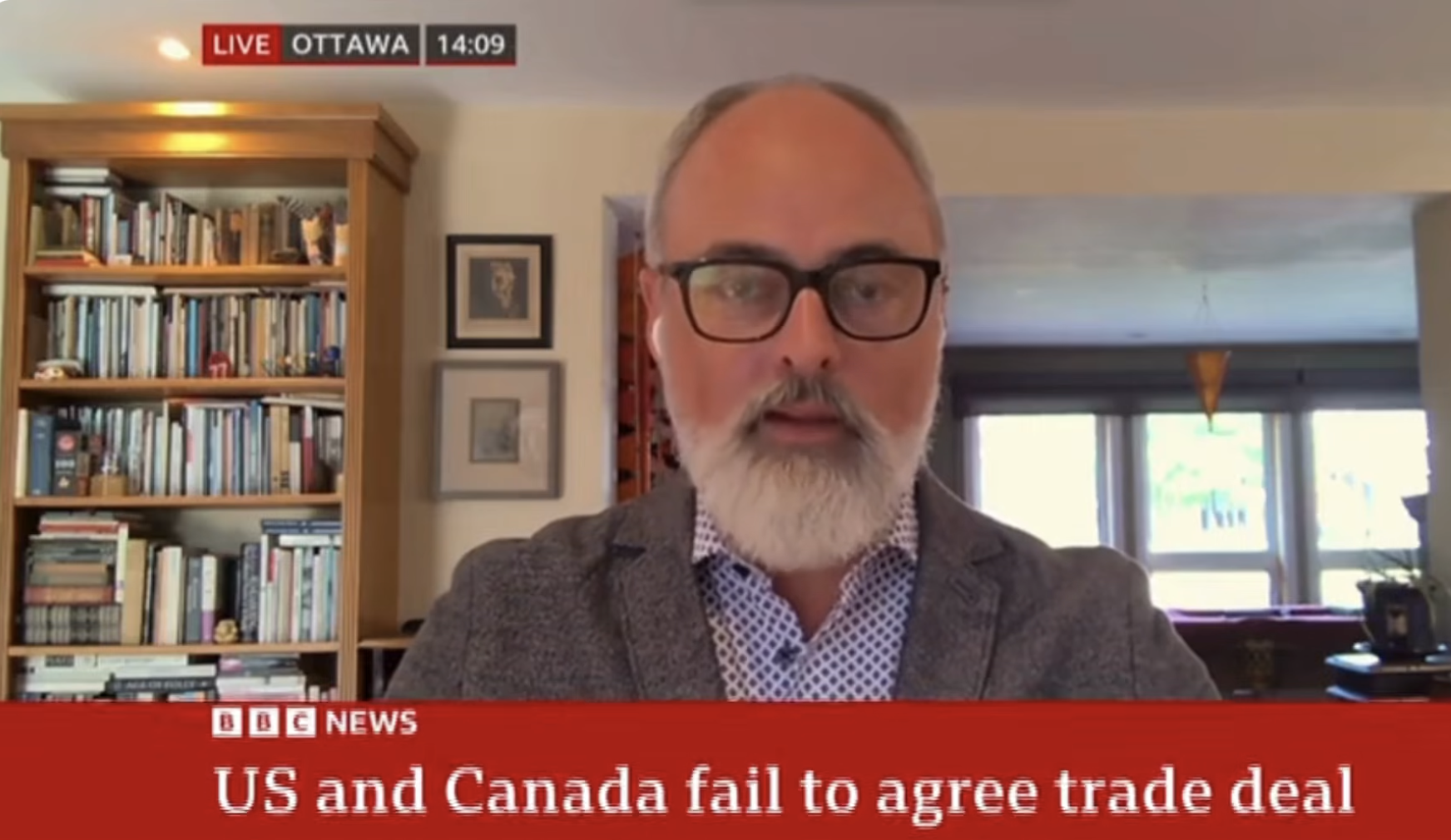
Canada's economic strategy rests on three legs—international trade diversification, domestic economic strength, and the US anchor and one weakened leg doesn't topple the stool. In this BBC interview, Matthew Holmes, head of policy at the Canadian Chamber of Commerce, explains the impact of the latest events and what comes next. It’s worth a listen.
Strengthening international trade
Strengthening the other two legs is now the priority, and Holmes sees momentum. Prime Minister Carney has doubled down on building global trade partnerships. "We have a lot of what the world's looking for and we have an incredibly resilient economy here at home," as Holmes notes. Building infrastructure to reach new markets takes time, but it's already happening, as seen in the Strategic Partnership with Sweden launched in November 2025, which is already generating benefits. One source indicated a 33% growth in Sweden - Canada trade between June 2025 and June 2026.
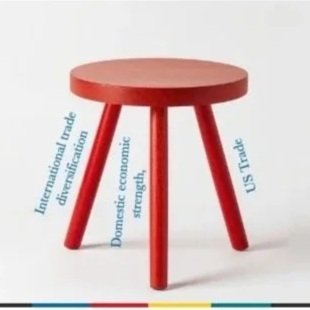
The three-legged economic strategy is designed for long-term impact and grounded in a conviction in free trade. As Holmes underlines, “We have a lot of what the world's looking for and we have an incredibly resilient economy here at home. This gives us more optionality to other markets, but it takes time to build the infrastructure to get to those markets.”
We see progress on the domestic front too. The proofpoints: Canada is of late creating jobs at four times the US rate and is bringing foreign capital into the country and investment at twice the pace of Canada’s closest G7 ally.
The mutual dependency
Holmes underlines that while Canada is reliant on the US economy, the reverse is equally true. Take aluminium: 75% of all American imports come from Canada. Canadian steel represents about a quarter of the US market. This mutual reliance runs deeper than tariffs and is mirrored in the avalanche of social media comments that followed Saturday’s announcement.
The immediate impact
When breaking down this round of tariffs, Holmes notes they target specific industries, many of them small and medium-sized businesses. "The aggregate effect, the macroeconomic effect would actually be fairly small," he estimates. "It would be about 5% of our current total exports to the United States, putting about 100,000 jobs on the line—about 0.3% addition to the unemployment rate."
That hurts businesses and individuals caught in the crossfire of the dispute, but in aggregate, this particular impact is a manageable blow. What matters now is reducing the impacts of a negative spiral that is bound to come.
The path forward
With strong domestic growth and diversification underway, Canada has both the foundation and momentum to strengthen these two critical legs. Watch the interview below to hear Holmes explain the full impact.
The Chamber of Commerce Statement on the State of Canada-U.S. Trade Talks